

Talk to an Inntel expert


With an estimated 15–20% of the population neurodivergent, we must recognise how differently people experience travel and what organisations can do to make journeys more inclusive.
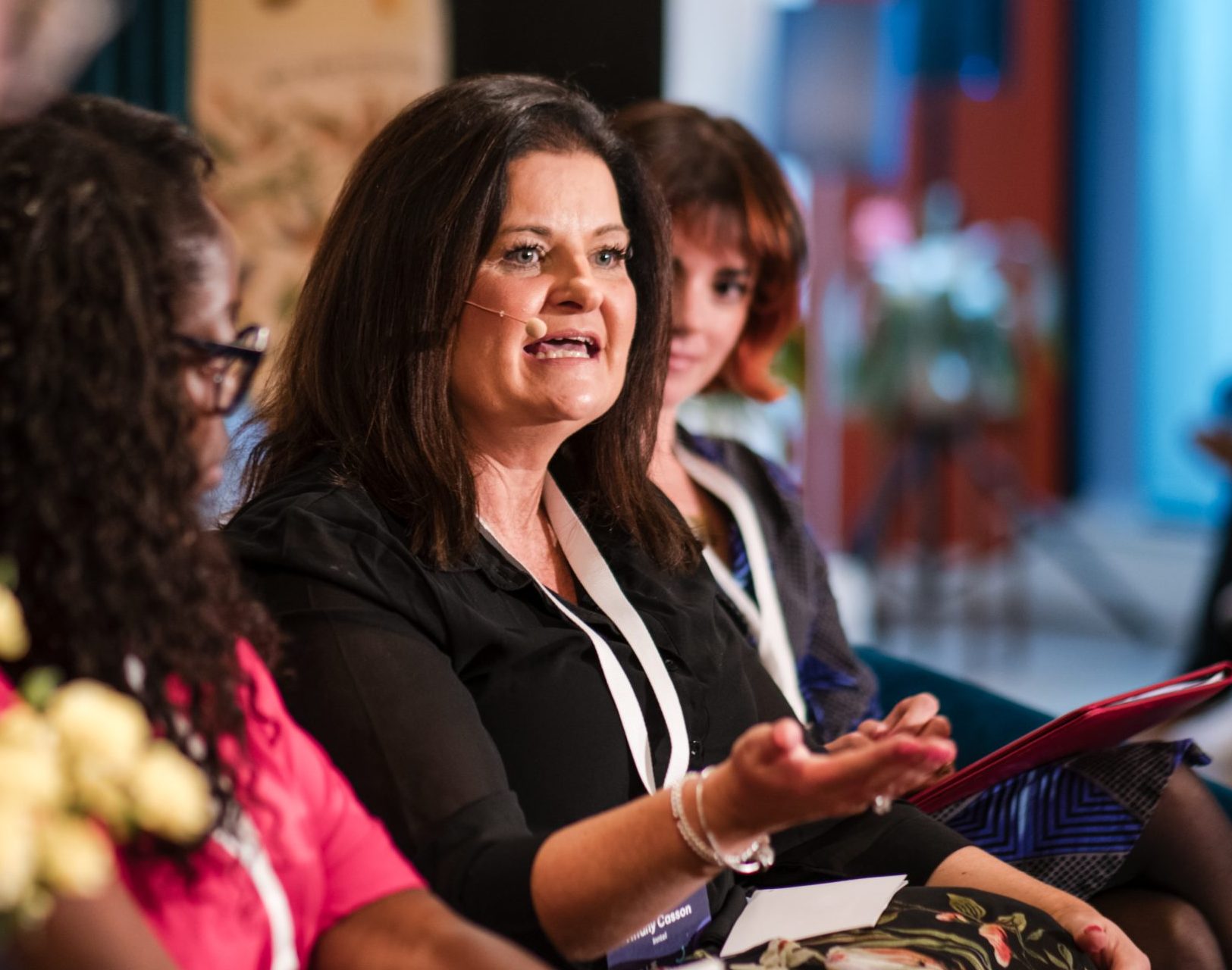
This was the focus of the Institute of Travel Management’s (ITM) final webinar of the year, Making Travel Work for Everyone. As an ambassador for Neurodiversity in the business travel industry, I was honoured to lead the discussion and bring together key learnings from our previous sessions on accommodation, meetings and events, and business travel.
I was joined by two brilliant panellists: Alison Proud, Global Travel Category Manager at Willis Towers Watson (WTW), and Christianna Best, an experienced corporate travel professional who shares my passion for neuro-inclusive travel. Together, we explored some of the challenges travellers face and, more importantly, the practical steps organisations can take to make business travel work better for everyone.

Neurodiversity describes the broad range of ways in which human brains think, learn and process information. We focused on autism, ADHD, dyslexia, dyspraxia and Tourette’s syndrome. As Alison pointed out, what overwhelms one traveller may not affect another at all, so travel policies need to be as inclusive as possible.
Challenges can arise at any stage of the travel process, from planning and the lead-up to travel, to the journey itself. Crowded and unfamiliar places, loud noises, delays and cancellations can all be difficult for anyone. However, for a neurodivergent traveller, sensory sensitivities heighten that stress. Someone who struggles with anxiety has a higher baseline level, so when something unpredictable occurs, their anxiety peaks higher too.
Support works best when it is easy to find and easy to use. Alison explained how WTW’s travel management company runs a service desk for people with physical and/or sensory needs, open 24/7. It is staffed by people with lived experience, or who are highly knowledgeable and passionate about neurodivergence. As a result, travellers feel listened to and comfortable asking for changes to their journey.
Other benefits include:
However, an accessible travel desk is only beneficial if people know it exists. Details like this can often get buried in travel policies, so make sure these options are visible and well communicated.
Would you feel comfortable asking for support? For most neurodivergent people, the answer is no. Despite how far the conversation has come in recent years, Birkbeck revealed 65% of neurodivergent people are not comfortable disclosing to their employer, so many don’t get the support they could.
Our aim isn’t necessarily to get people to open up, but to encourage questions that could improve a traveller’s journey. We know it is common for neurodivergent individuals to mask their challenges, so everyone should take ownership of asking simple questions, which can go a long way. Examples include:

Policies often start at the top level, looking at airlines, hotels, ground transportation and expense rules and regulations. What they commonly forget is the experience travellers actually have during the journey.
Alison and Christianna both stressed the value of choice when trying to make your travel policy more inclusive. Offering plenty of options, whether different hotel chains or property types, creates more opportunities for individuals to feel safe and happy where they are staying.
They also highlighted the importance of diversity and inclusion groups within the workplace. These groups allow those willing to share their experiences to speak up, offering new insights you may not have considered. Focusing on what travellers need, rather than what we assume they like, helps accommodate different needs.
Neuro-inclusive travel doesn’t always require big changes. Christianna shared a recent experience she had while flying to a conference. At check-in she noticed her flight was delayed, but her dyslexia made her worry she wasn’t reading the information correctly. The special assistance desk at easyJet reassured her and confirmed the details. It was a small interaction, but the member of staff calmed the situation without making her feel embarrassed for asking. Support that doesn’t make travellers feel judged is what we should all be aiming for.
If there is one message from the webinar, it’s that inclusive business travel starts with curiosity and ends with action. Our panellists’ top three takeaways give a clear place to start:
These steps give companies practical ways to make their booking processes and travel policies more inclusive, helping neurodivergent travellers feel less anxious at every stage of their journey. Together, we can build an industry where business travel really does work for everyone.
For more on this series and details of upcoming webinars, visit the ITM website.