

Talk to an Inntel expert



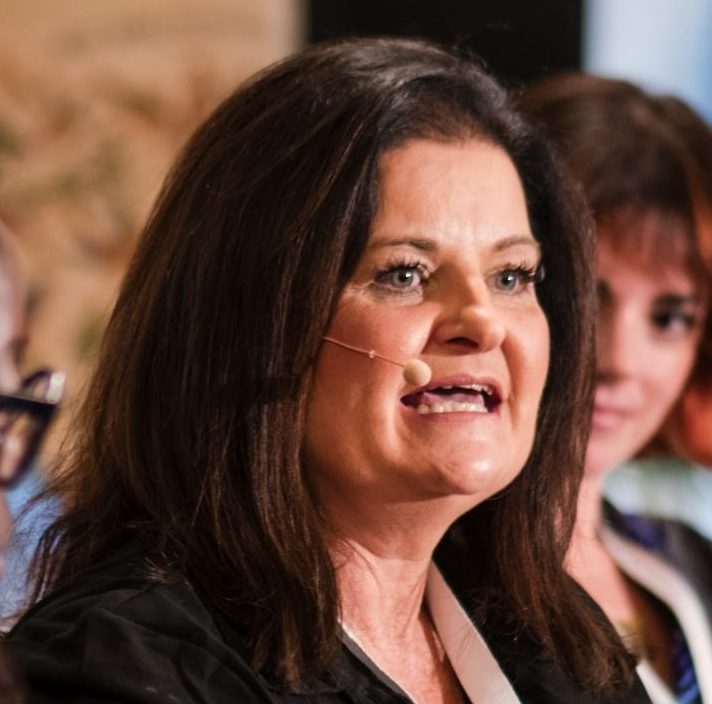
During Neurodiversity Celebration Week 2026, I took part in another Institute of Travel Management (ITM) webinar, continuing the conversation around how our industry can better support neurodivergent business travellers.
In a previous session, we explored the airport experience, focusing on planning, communication and reducing uncertainty. This time, I was again joined by Anna-Ruth Cockerham, an award-winning accessibility and inclusion consultant, and Christianna Best, an experienced corporate travel professional who shared her lived experience as a neurodivergent traveller. In this session, we moved beyond the terminal to look at the airline experience, and what travel managers can do to better support travellers at every stage of the journey.
Knowledge is power, I’m a firm believer in that. While awareness is growing, the real opportunity lies in how we apply that knowledge in practice. Below are some key takeaways from the webinar.
Let’s first be clear on exactly what we mean by the terms neurodivergent and neurodiversity. I always like to clarify that I’m not a medical expert, but I describe neurodivergence as a difference in cognitive brain function and the processing of information.
Neurodiversity Celebration Week explains that when it comes to inclusion, neurodiversity refers to a world where neurological differences are recognised and respected as all other human variations. Depending on how our brains are wired, we think, move, process information and communicate in different ways. With an estimated 15-20% of the population identifying as neurodivergent, this is something every travel programme should consider.
Importantly, not all travellers will disclose their needs. That’s why travel managers – and travel management companies – play a key role in building inclusive journeys by design, rather than relying on reactive support.

Air travel introduces multiple pressure points: security, boarding, confined spaces, delays and unfamiliar environments. For neurodivergent travellers, these can quickly become overwhelming. Security is often one of the most stressful stages of the journey. Busy queues, physical searches and unclear processes can all contribute to sensory overload.
To help airport staff recognise travellers with hidden disabilities or additional support needs, the Sunflower Lanyard scheme is particularly useful. Widely recognised across UK airports and airlines, it enables travellers to discreetly indicate that they may need additional support. While it doesn’t communicate specific needs, it can open up conversations with staff to make interactions more supportive.
For travel managers, simply raising awareness of these initiatives can be a meaningful step in supporting neurodivergent travellers.
Travel management companies can make a difference by ensuring travellers feel prepared before they even arrive at the airport. Sharing clear guidance on what to expect and highlighting options such as special assistance or fast-track security can significantly reduce uncertainty.
Navigating through airport security can be particularly anxiety inducing for neurodivergent individuals, especially when carrying specific food, drinks or medication. Anna-Ruth pointed out that if you have a specialist diet, you can take these through airport security in the same way as medication if you have a doctor’s letter. Sharing details like this in pre-travel planning can make a huge difference to the overall travel experience.
A travel management company can support this further by providing airport-specific insights and building that information into pre-trip communications. This kind of proactive guidance helps remove uncertainty and gives travellers greater confidence ahead of their journey.
It’s also important to recognise that not every traveller will want to use assistance services – which is why informed choice is so important.
Boarding can be another high-pressure moment, with crowded gate areas, last-minute announcements and time constraints.
Encouraging travellers to arrive early, allowing time to decompress and familiarise themselves with the environment, can make a noticeable difference. Clear communication around gate locations, boarding processes and timings also helps reduce the stress of the unknown.
While many airlines offer pre-boarding for passengers requiring assistance, this isn’t the right option for everyone. Some travellers may feel more comfortable boarding later, to minimise time spent on the aircraft.
From a TMC perspective, consistency is key. Whether through booking tools or offline support, ensuring traveller preferences are understood and applied can help create a more predictable and manageable experience.
Once onboard, small details can have a big impact. Familiarity, whether that’s the same airline, seat or aircraft layout, can help reduce uncertainty and create a sense of control. For travel managers, this means looking beyond cost and schedule alone, and considering how consistency can support traveller wellbeing.
At Inntel, traveller profiles allow preferences and requirements to be securely stored, reducing the need for repeated disclosure. Combined with our booking technology and specialist support teams, this helps deliver a more personalised and consistent experience.
The airline experience doesn’t end when the plane lands. Arrivals, border control and onward travel can present further challenges, particularly in unfamiliar destinations. Providing clear post-arrival guidance, considering whether assistance is needed, and helping travellers understand what to expect can all contribute to a smoother experience.
Here again, a TMC can play an important role, offering destination insights, managing end-to-end itineraries and providing support throughout the journey.
The key takeaways for travel managers to consider include:
Neuroinclusive travel isn’t about creating entirely separate processes, it’s about improving the experience for everyone. Clearer communication, greater flexibility and better planning benefit all travellers, not just those who are neurodivergent.
At Inntel, we’re committed to helping organisations turn awareness into action – supporting travel managers with the insight, technology and expertise needed to create more inclusive and effective travel programmes.
For further information on this series and more, visit the ITM website.

Tiffany Casson has been an Account Manager at Inntel for over a decade, with a background in the hotel sector. Passionate about diversity and inclusion, Tiffany is a voluntary Ambassador for Neurodiversity in Business. Her work has been recognised with industry awards, including the ITM Game Changer Award 2024, Women in Travel DEI Champion 2024, and Business Travel People’s Chair Award 2023.