

Talk to an Inntel expert



Retail has rarely faced as much uncertainty as it does today.
Rising operating costs, ongoing inflationary pressure, geopolitical disruption, changing consumer confidence and continued pressure on margins mean every pound is under scrutiny. At the same time, retailers are investing heavily in store transformation, AI, digital innovation and customer experience, all while expecting their operational teams to move faster than ever. Travel hasn’t slowed down. If anything, it’s become more important.
Regional managers are visiting stores more frequently, leadership teams are travelling to oversee change programmes, suppliers are meeting face-to-face to strengthen relationships, and training remains essential as retailers continue to invest in their people. Yet many travel and meetings policies haven’t evolved at the same pace. They’re often built for a traditional head-office environment rather than a business that operates across hundreds of locations with fast-moving operational demands.
That’s where friction begins.
Most retail teams don’t deliberately ignore policy. They work around it because they have to. If booking the approved hotel takes longer than using a consumer website, if sourcing an approved venue delays an important training session, or if obtaining approval means missing an opportunity, operational teams will naturally choose the quickest route.
The result isn’t poor behaviour. It’s policy that’s no longer fit for purpose.
In today’s environment, where retail businesses are under pressure to reduce costs whilst maintaining agility, every workaround creates another blind spot.
The biggest risk isn’t usually one expensive trip. It’s the gradual loss of visibility.
It might look like:
Individually these decisions feel small. Collectively they reduce buying power, weaken supplier negotiations and make accurate reporting almost impossible. At a time when finance teams are being asked to justify every area of spend, that lack of visibility becomes increasingly expensive.
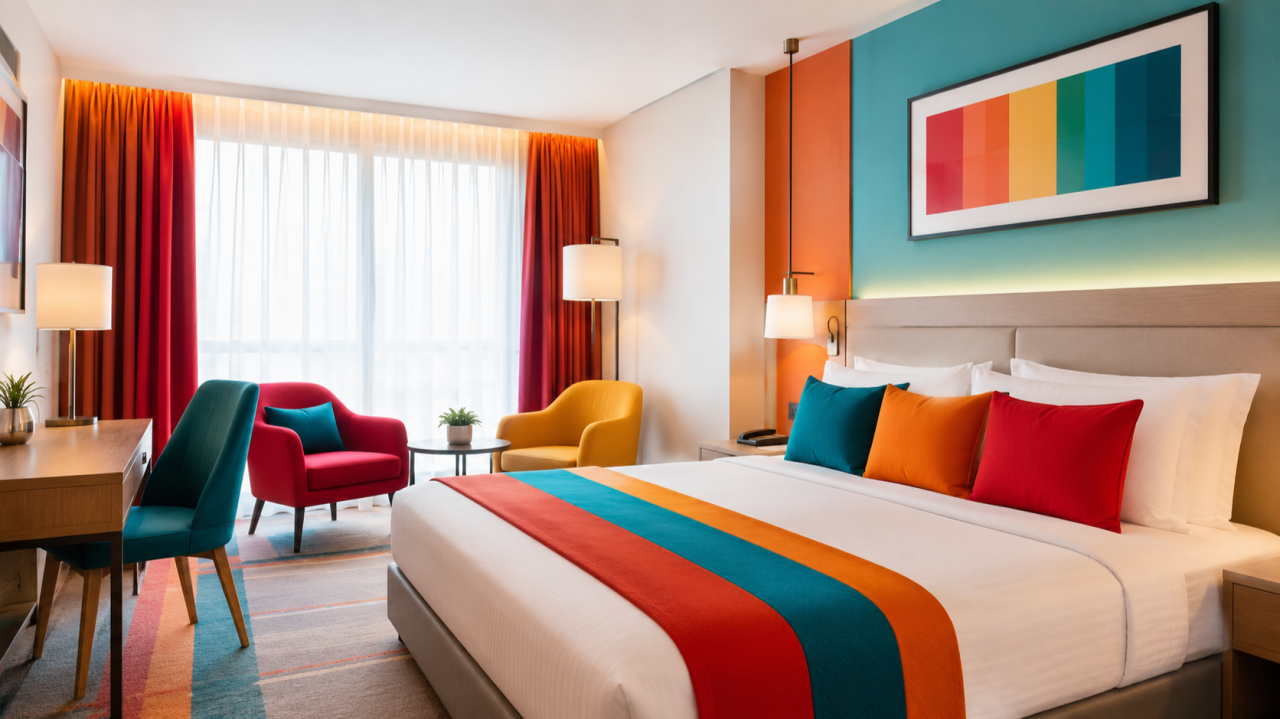
One of the biggest opportunities retailers still miss is treating business travel and meetings as separate activities. In reality, they’re part of the same journey. A regional training programme isn’t simply venue hire. It’s meeting space, accommodation, rail travel, parking, catering, technology and often repeat events across multiple regions throughout the year.
Looking at each element separately means retailers lose the scale they could be using to negotiate stronger commercial terms. When organisations connect travel and meetings into one strategy, they gain a much clearer view of:
That visibility creates better forecasting, stronger supplier partnerships and more strategic purchasing decisions.
The retailers getting this right aren’t creating more rules. They’re removing unnecessary ones. They’re simplifying approval processes. They’re ensuring preferred hotels genuinely reflect where their people travel. They’re making approved venues easy to find. They’re using technology to automate compliance instead of relying on manual policing. They’re providing clear guidance around cancellations, contract terms and approvals without slowing operations down.
Increasingly, AI and intelligent booking technology are also helping businesses guide travellers towards the right choices before non-compliance even becomes an issue. Good policy shouldn’t feel like a barrier. It should quietly support better decisions.
Retail has always moved quickly. Today’s environment demands even greater agility. Travel policy needs to protect margin without slowing operations. It needs to provide control without creating unnecessary administration.
Most importantly, it needs to give finance, procurement and operations one clear view of how travel and meetings support the wider business. The retailers that achieve that balance won’t simply reduce leakage. They’ll make faster decisions, gain stronger commercial leverage and be better equipped to navigate whatever comes next.
If your organisation is reviewing its travel and meetings policy, speak to Inntel. We’ll help you create an approach that gives your people flexibility while keeping spend, visibility and commercial control on track.